Pioneers – Ms. Aghdas Zamani A Life of Courage and Leadership
Pioneers of the Iranian Community in Quebec – An Interview with Aghdas Zamani
Written and Edited by: Reza Parsa Nejad – ParsA Foundation
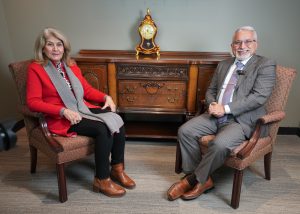
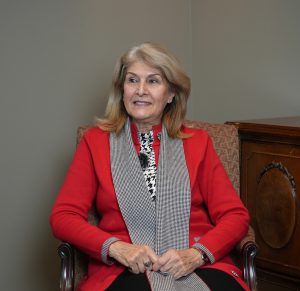
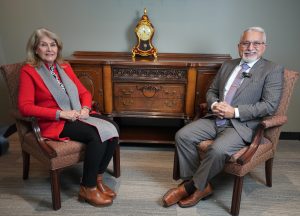
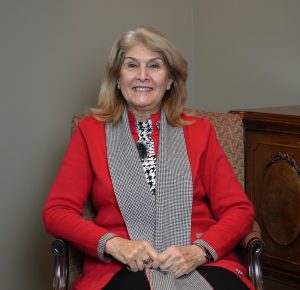
In the first interview of the “Pioneers” series by Montreal Persian Voices featuring a woman, we turn to Aghdas Zamani—a woman who arrived in Montreal in 1978, at a time when the number of Iranian women immigrating to Canada for study and work could be counted on one hand. She embarked on a path that today serves as an inspiration to many.
She is among the first Iranian women employed at McGill University, an active figure in the Iranian cultural community, a companion to the earliest generations of immigrants, and a clear example of women who, quietly yet profoundly, helped shape the history of the community.
Arrival in Montreal; 1978, Before the Revolution
Aghdas Zamani arrived in Montreal in April 1978, just months before the Iranian Revolution.
She recalls:
“At that time, the number of Iranians in Montreal was very, very small. I don’t think more than 300 or 400 people—including families and students—were living here.”
She initially entered Canada on a tourist visa, an option available at the time, which she later converted into a student visa.
“The law allowed tourist visas to be converted into student visas here, and that’s what I did.”
Her brother had arrived in Montreal a few years earlier, but soon left for the United States around the time of the Revolution, leaving Aghdas Zamani effectively on her own.
Iranian Women Students; Four Among Two Hundred
In the late 1970s, Montreal’s academic environment reflected the same scarcity of Iranian women.
“Among Iranian students at the time, there were about four women—out of roughly 200 students.”
She was initially admitted to Concordia University in engineering, but following the Revolution and the large-scale relocation of students, her path shifted to McGill University, where she began studying Microbiology and remained there.
McGill University; Education, Work, and Pioneering
From her earliest student years, Aghdas Zamani was on McGill’s payroll.
“I worked during both my undergraduate and graduate studies—library, laboratory, anything that was possible.”
She later served as a Research Assistant and then as a Course Coordinator in the Department of Microbiology & Immunology, playing a key role in managing and delivering laboratory courses.
“My job was coordinating the labs—several technicians worked under me, and every week multiple laboratory sessions were held.”
She remained in this role for more than two decades, until her retirement.
During those years, at McGill’s Macdonald Campus, she was the only Iranian woman employed.
Motherhood Alongside Work and Study
Her personal life—especially during the 1980s—was among the most challenging aspects of her journey.
“We had no support—no extended family, no large Iranian community.”
Her daughter was born in 1984 and her son in 1990. She left home at 5 a.m. each day to reach the downtown campus.
“We didn’t have phones. When the train stopped, I would run to a public phone to check that the kids were okay.”
Despite all this, both of her children are now successful professionals. They speak, read, and write Persian, and have maintained a strong connection to Iran.
West Island Cultural Association; School, Identity, Community
One of the most important chapters of Aghdas Zamani’s life was her active involvement in the West Island Cultural Association.
From the early 1990s, she served for five years on its board—an organization that supported a Persian school, Nowruz and Yalda celebrations, and cultural activities for Iranian families in West Montreal.
“The school was part of the association. Before that, even parents themselves were teaching.”
A rare initiative at the time:
“We also offered Persian classes for non-Iranian parents—those married to Iranians who wanted to learn Persian.”
A Small Community; Restaurants, Grocery Stores, and Long Commutes
In the early decades, daily life for Iranians in Montreal was far more difficult than it is today.
“To buy groceries, we spent three hours commuting—several buses, no car.”
She recalls Restaurant Khayyam as the first Iranian restaurant in Montreal—a small but dignified space, decorated with motifs inspired by Persepolis.
Helping Newcomers; Before the Internet Era
One of Aghdas Zamani’s most defining traits was her hands-on support for newcomers.
“There was no internet. We didn’t know what funding was, how to talk to professors, or how to fill out applications.”
She repeatedly introduced students and new immigrants to reputable professors—introductions that changed the course of many professional lives.
“Professors didn’t know Iranian universities. Sometimes I had to explain what Pahlavi University was.”
Investment and Financial Independence
Alongside her university career, and due to her responsibility as the family’s main provider, she entered real estate investment.
“Being a government employee has its limits. I had to be more active.”
She remains active in this field today.
Politics, Referendums, and Civic Awareness
Aghdas Zamani witnessed both Quebec independence referendums (1980 and 1995).
“During the second referendum, I was very active—I tried to raise awareness.”
She believes that Quebec’s social environment, though complex, offers space for participation and growth.
A Message to Newcomers
At the end of the interview, she offers a clear message:
“Be grateful to Canada. When we arrived, conditions were much harder. This country helps you—you should help make it better.”
The Role of a Pioneer Woman
Without seeking the spotlight, Aghdas Zamani has served for decades as a bridge between generations—
for students, for mothers, for women, and for a community still in the process of forming.
She is truly one of the pioneers of the Iranian community in Montreal, especially for women in professional careers.
Source and Access
This interview is part of the documentary project Montreal Persian Voices | Pioneers,
produced by the ParsA Foundation.
The full video is available on the ParsA Foundation YouTube channel:
https://youtu.be/g4lh9c79rV4?si=dNcf2ynNiDe6iwka
Sponsors
Webshoot
Gestion du Patrimoine Intégré
West Island Family Dental
Clinique Medical Crescent
The Shirkhodaei Home Group
پیشگامان جامعه ایرانیان کبک – گفتوگو با اقدس زمانی
تهیه و تنظیم: رضا پارسانژاد – بنیاد پارسآ (ParsA Foundation)
در نخستین گفتوگوی مجموعهی “پیشگامان” Montreal Persian Voices با یک خانم، به سراغ اقدس زمانی رفتهایم؛ خانم که در سال ۱۹۷۸، در دورانی که تعداد خانمهای ایرانی مهاجر برای تحصیل و کار در کانادا بهانگشتان یک دست میرسید، وارد مونترال شد و مسیری را پیمود که امروز برای بسیاری الهامبخش است.
او از نخستین خانمهای ایرانی شاغل در دانشگاه مکگیل، از فعالان فرهنگی جامعه ایرانی، از همراهان نسلهای نخست مهاجران، و نمونهای روشن از خانمهایی است که در سکوت، اما با اثرگذاری عمیق، تاریخ جامعه را ساختهاند.
ورود به مونترال؛ ۱۹۷۸، پیش از انقلاب
اقدس زمانی در آوریل ۱۹۷۸، چند ماه پیش از انقلاب ایران، وارد مونترال شد.
او میگوید:
“آن زمان تعداد ایرانیها در مونترال خیلی خیلی کم بود. فکر نمیکنم بیشتر از ۳۰۰ یا ۴۰۰ نفر، شامل خانوادهها و دانشجوها، اینجا زندگی میکردند.”
او ابتدا با ویزای توریستی وارد کانادا شد؛ امکانی که در آن سالها وجود داشت و بعدها توانست آن را به ویزای تحصیلی تبدیل کند.
“قانون اجازه میداد ویزای توریستی رو اینجا تبدیل به تحصیلی کنیم. من هم همین کار رو کردم.”
برادرش چند سال زودتر به مونترال آمده بود، اما خیلی زود و همزمان با انقلاب به آمریکا رفت و اقدس زمانی عملاً تنها ماند.
زنان دانشجوی ایرانی؛ چهار نفر در میان دویست نفر
در اواخر دهه ۷۰ میلادی، فضای دانشگاهی مونترال نیز بازتابی از همان کمبود حضور زنان ایرانی بود.
“در بین دانشجویان ایرانی، همزمان با من، حدود چهار نفر خانم بودند؛ از حدود ۲۰۰ دانشجو.”
او ابتدا در دانشگاه کنکوردیا در رشته مهندسی پذیرفته شد، اما پس از انقلاب و جابهجایی گسترده دانشجویان، مسیرش به دانشگاه مکگیل تغییر کرد؛ جایی که تحصیل در میکروبشناسی را آغاز کرد و همانجا ماندگار شد.
مکگیل؛ تحصیل، کار و پیشگامی
اقدس زمانی از همان سالهای نخست دانشجویی، روی حقوق مکگیل (Payroll) بود.
“هم در دوران Undergraduate و هم Graduate کار میکردم؛ کتابخانه، آزمایشگاه، هر کاری که میشد.”
او بعدها بهعنوان Research Assistant و سپس Course Coordinator در دپارتمان Microbiology & Immunology فعالیت کرد؛ نقشی کلیدی در مدیریت و اجرای آزمایشگاههای آموزشی.
“کار من هماهنگی آزمایشگاهها بود؛ چند تکنیشن زیر نظر من کار میکردند، هر هفته چندین آزمایشگاه برگزار میشد.”
او تا زمان بازنشستگی، بیش از دو دهه در این سمت باقی ماند.
در آن سالها، در کمپس مکدونالد مکگیل، او تنها خانم ایرانی شاغل بود.
مادری دو کودک همزمان با کار و تحصیل
زندگی شخصی او، بهویژه در دهه ۸۰ میلادی، یکی از سختترین بخشهای این روایت است.
“هیچ کمکی نداشتیم. نه دوستان خانوادگی زیاد ، نه جامعه بزرگ ایرانی.”
دخترش در سال ۱۹۸۴ و پسرش در سال ۱۹۹۰ به دنیا آمدند.
او صبحها ساعت ۵ از خانه خارج میشد تا به کمپس Downtown برسد.
“تلفن نداشتیم. وقتی قطار میایستاد، میدویدم به پابلیکفون زنگ بزنم که بچهها حالشان خوب است یا نه.”
با اینهمه، هر دو فرزند او امروز از افراد موفق حرفهایاند؛ هر دو فارسی میدانند، میخوانند و مینویسند و پیوندشان با ایران حفظ شده است.
انجمن فرهنگی وستآیلند؛ مدرسه، هویت، پیوند
یکی از فصلهای مهم زندگی اقدس زمانی، حضور فعال او در انجمن فرهنگی وستآیلند است.
او از اوایل دهه ۹۰ میلادی، بهمدت ۵ سال عضو هیئتمدیره این انجمن بود؛ نهادی که مدرسه فارسی، جشنهای نوروز و یلدا، و فعالیتهای فرهنگی ایرانیان غرب مونترال را سامان میداد.
“مدرسه بخشی از انجمن بود. قبلش حتی پدر و مادرها خودشان درس میدادند.”
نکتهای کمنظیر در آن سالها:
“کلاس فارسی برای والدین غیرایرانی هم داشتیم؛ کسانی که همسر ایرانی داشتند و میخواستند فارسی یاد بگیرند.”
جامعهای کوچک؛ رستورانها، فروشگاهها و مسیرهای طولانی
در دهههای نخست، زندگی روزمره ایرانیان مونترال بسیار دشوارتر از امروز بود.
“برای خرید مواد غذایی، سه ساعت در راه بودیم؛ چند اتوبوس، بدون ماشین.”
او از رستوران خیام بهعنوان نخستین رستوران ایرانی مونترال یاد میکند؛ فضایی کوچک اما آبرومند، با دکوراسیونی الهامگرفته از تختجمشید.
کمک به تازهواردان؛ پیش از عصر اینترنت
یکی از پررنگترین وجوه شخصیت اقدس زمانی، حمایت عملی از تازهواردان است.
“آن موقع اینترنت نبود. نمیدانستیم فاند چیست، چطور با استاد صحبت کنیم، اپلیکیشن چطور پر شود.”
او بارها دانشجویان و مهاجران تازهوارد را به استادان معتبر معرفی کرد؛ معرفیهایی که مسیر زندگی حرفهای بسیاری را تغییر داد.
“استادها دانشگاههای ایران را نمیشناختند. گاهی باید توضیح میدادم دانشگاه پهلوی چیست.”
سرمایهگذاری و استقلال مالی
در کنار شغل دانشگاهی، او بهدلیل مسئولیت تأمین زندگی خانواده، وارد حوزه سرمایهگذاری در املاک شد.
“کارمند دولت بودن محدودیت دارد. مجبور بودم فعالتر باشم.”
او امروز نیز همچنان در این حوزه فعال است.
سیاست، رفراندوم و آگاهی اجتماعی
اقدس زمانی شاهد هر دو رفراندوم استقلال کبک (۱۹۸۰ و ۱۹۹۵) بود.
“در رفراندوم دوم خیلی فعال بودم؛ سعی میکردم آگاهی بدهم.”
او معتقد است فضای اجتماعی کبک، هرچند پیچیده، بستری برای مشارکت و رشد فراهم کرده است.
پیام به تازهواردان
در پایان گفتوگو، او پیامی روشن دارد:
“قدردان کانادا باشید. زمانی که ما آمدیم، شرایط خیلی سختتر بود. این کشور کمک میکند؛ باید کمک کنیم که بهتر شود.”
نقش یک زن پیشگام
اقدس زمانی بیآنکه خود را در مرکز توجه قرار دهد، دههها نقش پل میان نسلها را ایفا کرده است؛
برای دانشجویان، برای مادران، برای زنان، و برای جامعهای که تازه در حال شکلگیری بود.
او بهحق، یکی از پیشگامان جامعه ایرانیان مونترال است؛ بهویژه برای خانمها با مشاغل حرفه ای.
منبع و دسترسی
این گفتوگو بخشی از پروژهی مستند Montreal Persian Voices | Pioneers است
تولید: بنیاد پارسآ (ParsA Foundation)
نسخهی کامل ویدئو در کانال یوتیوب بنیاد پارسآ در دسترس است.
https://youtu.be/g4lh9c79rV4?si=dNcf2ynNiDe6iwka
حامیان مالی
Webshoot
Gestion du Patrimoine Intégré
West Island Family Dental
Clinique Medical Crescent
گروه املاک شیرخدایی