Pioneers- Mr. Bahram Naseri
——————–
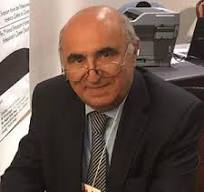
Pioneers of the Iranian Community in Quebec – An Interview with Mr. Bahram Nasseri
By Dr. Reza Parsanejad – Parsa Foundation
As part of Montreal Persian Voices, a documentary initiative by the Parsa Foundation, this episode features Mr. Bahram Nasseri, one of the earliest Iranian immigrants to Quebec. His story captures the resilience and creativity that helped shape the foundations of the Iranian-Canadian community in Montreal.
From Tehran to Montreal – The Beginning of a Journey
Mr. Nasseri immigrated to Canada in the late 1970s, at the time of the Iranian Revolution. Encouraged by his family to leave Iran amid the unrest, he arrived in Montreal when, as he recalls, “the entire Iranian community barely counted a hundred people.”
He first attended French language courses but soon realized that “I couldn’t understand the Quebec accent, and they couldn’t understand my English either.” This challenge led him to spend some time in Germany, working at Mercedes-Benz, before returning to Canada determined to build a new life.
Building the First Iranian Institutions in Quebec
Upon his return, Mr. Nasseri joined efforts to create a cultural and educational center for Iranian families. Under the leadership of Dr. Javid, a professor at the Université de Montréal, the Iranian Association of Quebec was founded. Its weekend school, with just 19 children at the time, became the heart of the growing Iranian community.
“The school was not only for teaching Persian,” Nasseri recalls, “it was our second home – a place where families gathered and where our community began to take shape.”
The Association soon secured a government-donated building on Sainte-Catherine Street. It was there that Nasseri met Ms. Mahboubeh Sadriya, a collaboration that would later result in the publication of the first Persian-language newspaper in Canada.
From Payam Ashna to Bazaar: The Birth of Persian Journalism in Canada
Within the Iranian Association, Ms. Sadriya began editing a small publication called Payam Ashna, which Nasseri printed and distributed. Though short-lived, the experience sparked a vision for something greater.
In 1993, Nasseri, along with Mahboubeh Sadriya and his sister, Minoo Nasseri, founded MBM Publications (named after Mahboubeh, Bahram, and Minoo). Their first major project was the Iranian Yellow Pages of Quebec, a business directory connecting the emerging Iranian community across Eastern Canada.
“We realized the community was growing,” Nasseri explains. “People needed a way to find each other. The Yellow Pages was the first step toward building that network.”
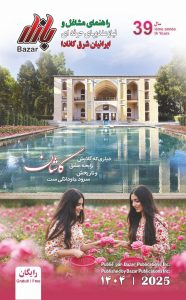
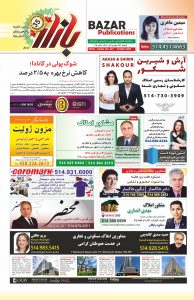
Encouraged by the project’s success, they launched a full-fledged newspaper. At the suggestion of Mr. Mojtaba Sadriya, they named it Bazaar:
“He said, ‘Call it Bazaar – you can put anything in it.’ And that’s how Bazaar was born.”
Bazaar became the first Persian-language newspaper in Canada. Initially produced manually with typewriters and adhesive lettering before the advent of digital typography, it evolved into a professionally designed publication after Nasseri obtained one of the earliest Persian typesetting programs from a contact in New York.
Early Iranian Professionals and Cultural Growth
Mr. Nasseri remembers the names of some of the first Iranian physicians in Montreal — Dr. Maleki, Dr. Moein Darbari, Dr. Parvaneh Beheshti, Dr. Adl, Dr. Dehnad, Dr. Sharghi, and Dr. Makarian — professionals who strengthened the Iranian presence in Quebec’s medical community.
New Persian schools soon followed: the West Island School (founded by Ms. Rigoli and later led by Ms. Arezou Tabrizi), Dehkhoda School in East Montreal, and Ferdowsi School, affiliated with Iran’s government.
A Growing Community
During the 1980s, the Iranian population in Quebec grew from under one hundred to several hundred families. “By the mid-1980s,” Nasseri recalls, “we were no longer just trying to stay; we were trying to belong.”
Following the 1985 Quebec referendum, Iranian-Canadian attention shifted toward cultural and professional development rather than politics. Publications like Bazaar, along with community events such as Nowruz celebrations and cultural gatherings, played a defining role in shaping Iranian identity in Quebec.
A Legacy of Vision and Resilience
The efforts of Bahram Nasseri and his contemporaries laid the foundation for the thriving Iranian-Canadian community we know today. Their work not only created communication and cultural platforms but also preserved the Iranian identity within Quebec’s multicultural fabric.
As Dr. Reza Parsanejad, Director of the Parsa Foundation, notes:
“Pioneers like Mr. Nasseri serve as bridges between generations — they brought our language, culture, and values to a new land and built the first structures of belonging.”
This interview is part of the Pioneers series within the Montreal Persian Voices project, produced by the ParsA Foundation.
The full interview is available on the ParsA Foundation YouTube Channel.
اولین گفتگو – آقای بهرام ناصری
در مجموعهی مستند “صدای ایرانیان مونترال” (Montreal Persian Voices) که به ابتکار بنیاد پارسآ تولید میشود، به روایت زندگی و دستاوردهای نخستین ایرانیانی میپردازیم که پس از مهاجرت به کبک، با پشتکار و خلاقیت خود سنگبنای جامعهی ایرانی در این سرزمین را نهادند. گفتوگوی حاضر با آقای بهرام ناصری، یکی از پیشگامان فرهنگی و اجتماعی ایرانیان کبک است که در دههی ۱۳۵۰ خورشیدی به کانادا مهاجرت کرد و نقش چشمگیری در ایجاد نخستین نهادها و رسانههای فارسیزبان در این کشور داشت
از تهران تا مونترال؛ آغاز راه یک پیشگام
آقای ناصری در اواخر دههی ۱۳۵۰ خورشیدی (۱۹۷۸–۱۹۷۹ میلادی) و در بحبوحهی تحولات سیاسی ایران، بنا به توصیهی خانواده تصمیم به مهاجرت گرفت. او در گفتوگو با بنیاد پارسآ یادآور میشود که در آن زمان جامعه ایرانی مونترال بسیار کوچک بود
«وقتی به مونترال آمدم، شاید جمع ایرانیان به چند صد نفر هم نمیرسید. تقریباً همهی ما تازهوارد بودیم و هرکس بهنوعی در جستوجوی راهی برای ماندن و سازگاری بود.»
ناصری در بدو ورود، دورهای زبان فرانسه را گذراند، اما به گفتهی خودش «نه لهجهی کبکی را میفهمیدم و نه آنها انگلیسی من را». همین مسئله سبب شد مدتی بعد به آلمان برود و در کارخانهی مرسدس بنز مشغول کار شود.
بازگشت او به کانادا نقطهی آغاز فعالیتهای اقتصادی و اجتماعی مهمی بود. از همان سالها، با همکاری آقای ناصر راسخ وارد عرصهی واردات مواد غذایی ایرانی شد و شرکت گلپر ایران را تأسیس کرد؛ شرکتی که در تأمین و توزیع محصولات ایرانی برای فروشگاههای عرب و لبنانی مونترال و سپس تورنتو نقش مؤثری داشت.
شکلگیری نخستین نهاد ایرانیان کبک
در اوایل دههی ۱۳۶۰، گروه کوچکی از ایرانیان تصمیم گرفتند مرکزی برای گردهمایی و آموزش فرزندان خود ایجاد کنند. به ابتکار دکتر جاوید، استاد دانشگاه مونترال، کانون ایرانیان کبک شکل گرفت و نخستین مدرسهی فارسیزبان با حدود ۱۹ کودک آغاز به کار کرد.
به گفتهی ناصری، «مدرسه فقط محل درس نبود؛ خانهی دوم ما بود. همهی خانوادهها آخر هفته دور هم جمع میشدند و اینجا بود که جامعه ایرانی کبک شکل واقعی به خود گرفت.»
کانون ایرانیان با حمایت دولت محلی ساختمانی در خیابان Sainte-Catherine در اختیار گرفت. در همین محیط بود که ناصری با خانم محبوبه صدریا آشنا شد؛ همکاریای که بعدها به تأسیس نخستین نشریهی فارسی در کانادا انجامید.
از “پیام آشنا” تا “بازار” ؛ آغاز روزنامهنگاری فارسی در کانادا
درون کانون ایرانیان، نشریهای به نام پیام آشنا منتشر شد که خانم صدریا سردبیری آن را برعهده داشت و چاپ و توزیعش بر عهدهی ناصری بود. هرچند این نشریه تنها چند شماره منتشر شد، اما بذر ایدهای بزرگتر را در ذهن ناصری کاشت.
در سال ۱۳۷۲ (۱۹۹۳ میلادی)، ناصری به همراه خانم محبوبه صدریا و خواهرش مینو ناصری شرکت MBM (مخفف محبوبه، بهرام، مینو) را تأسیس کرد. نخستین محصول آنها دفتر راهنمای مشاغل ایرانیان کبک با نام Yellow Pages ایرانیان کبک بود.
«ما احساس کردیم جامعهی ایرانی دارد بزرگ میشود و باید شبکهای ایجاد کنیم تا افراد همدیگر را پیدا کنند. یلوپیجز اولین تلاش برای این هدف بود.»
اما ایدهی بزرگتر، انتشار نشریهای بود که هم اخبار جامعه را منعکس کند و هم محملی برای معرفی ایرانیان باشد. به پیشنهاد خانم محبوبه صدریا ، نام نشریه را «بازار» گذاشتند.
“او گفت: اسمش را بازار بگذارید، هرچه خواستید در آن بریزید! و همین شد که بازار متولد شد.”
روزنامهی بازار به عنوان نخستین نشریهی فارسیزبان کانادا، بهصورت دستی و با امکانات محدود تهیه و چاپ میشد. پیش از ورود نرمافزارهای فارسی، حروفچسبان و ماشینتحریر ابزار اصلی کار بود. بعدها، با کمک یکی از آشنایان در نیویورک، نخستین نرمافزار تایپ فارسی به دستشان رسید و روند تولید نشریه حرفهایتر شد.
پزشکان و نهادهای اولیه ایرانیان مونترال
ناصری در روایت خود فهرستی از نخستین پزشکان ایرانی مونترال را به یاد میآورد
دکتر ملکی، دکتر معین درباری، دکتر پروانه بهشتی، دکتر عدل، دکتر دهناد، دکتر شرقی، و دکتر ماکاریان. این گروه از متخصصان نقش مهمی در تثبیت حضور حرفهای ایرانیان در کبک داشتند.
در کنار کانون ایرانیان، مدارس دیگری نیز شکل گرفتند؛ از جمله مدرسهی وستایلند (به مدیریت خانم Rigoli و سپس خانم آرزو تبریزی)، مدرسهی دهخدا در شرق مونترال، و مدرسهی فردوسی که با حمایت رسمی دولت ایران فعالیت میکرد.
رشد جامعه ایرانیان کبک
در دههی ۱۹۸۰، جمعیت ایرانیان کبک به چند صد خانوار افزایش یافت. ناصری در این باره میگوید
«از اواسط دههی هشتاد میلادی، جامعه ایرانی به ثبات رسید. دیگر فقط در فکر اقامت نبودیم؛ دنبال ایجاد ریشه و هویت بودیم.»
در همین سالها و پس از همهپرسی استقلال کبک در سال ۱۹۸۵، تمرکز بیشتر ایرانیان بر امور فرهنگی و اقتصادی قرار گرفت تا بر مسائل سیاسی. روزنامه بازار، در کنار دیگر فعالیتهای فرهنگی مانند جشن نوروز، نشستهای ادبی و برنامههای آموزشی، به تریبون اصلی کامیونیتی ایرانیان بدل شد.
میراث ماندگار یک نسل
فعالیتهای بهرام ناصری و همنسلان او پایههایی را بنا نهاد که نسلهای بعدی ایرانیان کبک بر آن استوار شدند: از نهادهای فرهنگی گرفته تا رسانههای اجتماعی و شبکههای حرفهای.
نقش ایشان در مستندسازی و ثبت تاریخ حضور ایرانیان در مونترال، بخشی ارزشمند از حافظهی جمعی ماست.
:به تعبیر رضا پارسانژاد، مدیر بنیاد پارسآ
“پیشگامانی مانند آقای ناصری، پلی میان نسل اول و دوم مهاجران هستند؛ کسانی که با کمترین امکانات، نهاد و هویت فرهنگی ایرانی را در دل جامعهی کبک زنده نگه داشتند.”
منبع و دسترسی
این گفتوگو بخشی از مجموعهی مستند «پیشگامان» در پروژهی Montreal Persian Voices است که توسط بنیاد پارسآ (Parsa Foundation) تهیه میشود
نسخهی کامل این مصاحبه در کانال یوتیوب بنیاد پارسآ قابل مشاهده است.
:حامیان مالی
Webshoot
Gestion du Patrimoine Intégré
West Island Family Dental
Clinique Medical Crescent
املاک شیرخدایی